Your Guide to Delicious Jamaican Food in Denver
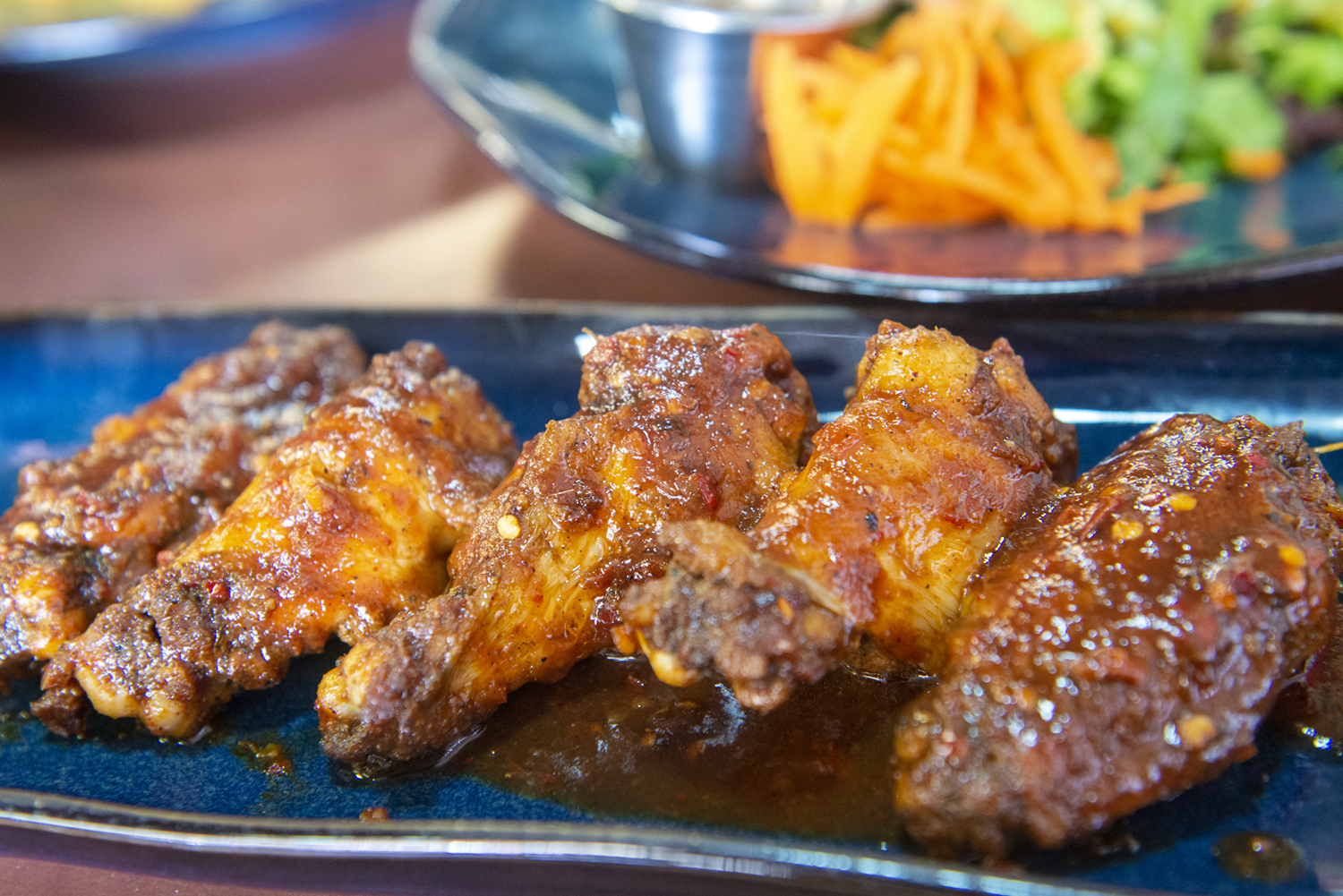
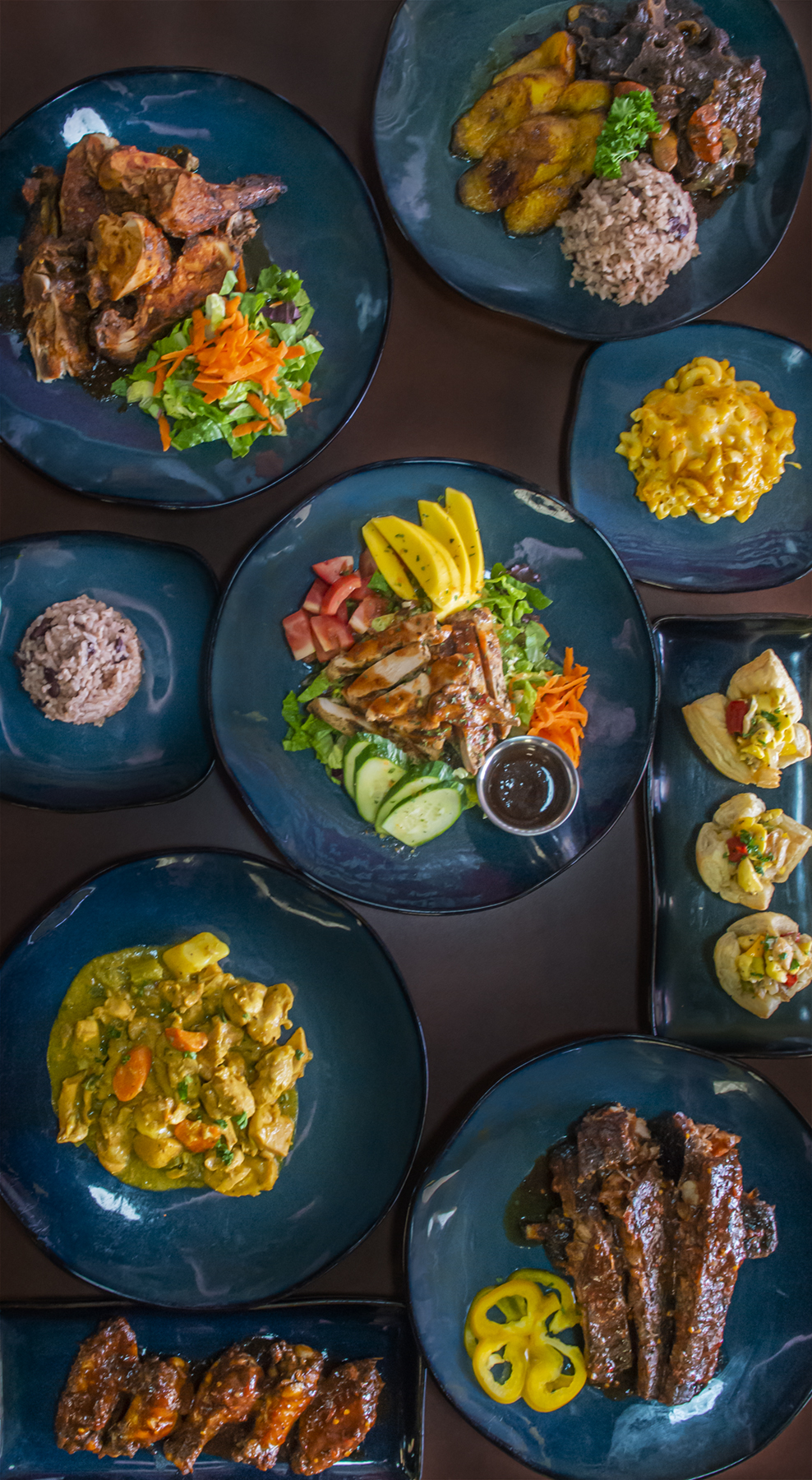
Denver has become a city where regional food scenes can take root and thrive, even when they come from climates and histories far removed from the Front Range. Jamaican food is a good example. It is bold, slow-cooked, aromatic, and built on layers of seasoning that reward patience. It also travels surprisingly well, which matters in a city where takeout, catering trays, and neighborhood counters all play a big role in how people eat.
If you are looking for jamaican food denver options, it helps to know what you are actually looking for. Jamaican cuisine is often flattened into a short list of familiar dishes, usually jerk chicken and beef patties, but that barely scratches the surface. A strong Jamaican menu tells you something about technique, about spice management, about the balance https://elliottvyuc834.bearsfanteamshop.com/jamaican-food-in-denver-top-picks-for-first-time-visitors between heat, sweetness, smoke, and savory depth. It should feel generous, practical, and deeply flavorful, whether you are eating a quick weekday lunch or settling in with a plate that needs both hands and a stack of napkins.
The best way to approach Jamaican food in Denver is with curiosity and a little strategy. Not every restaurant will offer the same range. Some kitchens specialize in grilled meats and patties. Others focus on braised dishes, stews, and sides that deserve just as much attention as the center of the plate. Knowing what to order, what to expect, and how to judge quality can make the difference between a decent meal and one you remember for weeks.
What makes Jamaican food distinct
At its best, Jamaican cooking is built around seasoning rather than novelty. The food is not trying to shock you. It is trying to satisfy you completely. That means marinades that penetrate the meat, stews cooked long enough to taste integrated rather than assembled, and sides that carry real character of their own.
A lot of people first encounter Jamaican food through jerk seasoning. That is understandable, but jerk is not a synonym for Jamaican cuisine. Jerk is a method and flavor profile, usually involving allspice, thyme, scallion, Scotch bonnet, garlic, ginger, and a combination of sweet, savory, and smoky notes. On chicken or pork, it can be fiery, but good jerk is never just heat. If all you taste is burn, something has gone wrong.
Then there are the braises and gravies. Oxtail, curry goat, brown stew chicken, and stew peas show another side of Jamaican cooking, one that relies on time, stock, aromatics, and the slow reduction of flavors into something rich and cohesive. Rice and peas, which are often made with coconut milk and kidney beans or gungo peas depending on the dish and the cook, are not filler. Done right, they absorb sauce, steady the spice, and make the whole plate feel complete.
There is also a strong pastry and snack tradition. Patties, coco bread, fried plantains, festival, and other handheld or side items matter because Jamaican food is not only feast food. It is also everyday food, street food, lunch counter food, and bakery food. A city’s Jamaican scene starts to feel mature when you can find more than one of those experiences.
What to expect when you search for Jamaican food in Denver
Denver’s food culture rewards independent operators, neighborhood regulars, and places that can maintain consistency in a tough labor market. Jamaican restaurants here often reflect that reality. Some are full-service spots with dining rooms and extensive menus. Others are compact counters or hybrid businesses that split attention between restaurant service, catering, and delivery. That means your meal might arrive in a foil container instead of on a ceramic plate, and that is not a downgrade. In many cases, it is the ideal format for food that benefits from resting in its own juices.
The city’s altitude and dry climate do not change the core identity of the cuisine, but they can influence execution at the margins. Chicken dries out faster in Denver than in more humid places if it is not handled carefully. Rice can tighten up quickly in takeout containers if it sits too long. Fried items need to be packed with some thought. These are not reasons to lower your standards. They are reasons to pay attention to when and how you order.
Lunch tends to be one of the smartest times to try a place for the first time. You get a read on portion size, seasoning, speed, and how well the kitchen handles volume. If a restaurant can serve a lunch rush without turning oxtail into a shortage and jerk chicken into an afterthought, that is a good sign. By dinner, popular braised dishes may sell out, especially at smaller operations that cook in limited batches.
The dishes worth your attention
Jamaican menus can be compact or expansive, but a few dishes tell you a lot about the kitchen. Jerk chicken is the obvious starting point. Look for meat that carries seasoning below the surface, not just on the skin. Some char is welcome. Too much blackening without interior flavor is not. The ideal bite gives you smoke, spice, salt, and a whisper of sweetness, with juicy meat underneath.
Oxtail is one of the best measures of patience and discipline. It should be deeply savory, tender enough to yield easily, and surrounded by a glossy gravy that tastes reduced rather than thickened. Proper oxtail is expensive to produce and rarely cheap to buy, so this is one of those dishes where price can reflect reality. If a restaurant charges more for it, that does not automatically mean it is overpriced. It may simply mean the kitchen is respecting the ingredient.
Curry goat should carry the warmth of curry without becoming one-note. Goat has a distinct flavor, and a good cook works with it rather than trying to bury it. The sauce should be fragrant and cling to the meat. If you are new to Jamaican food and want something comforting but still specific, curry goat is often a more accessible starting point than people expect.
Brown stew chicken deserves more respect than it usually gets. It can look humble on paper, but when it is done well, it is one of the most balanced items on the menu. The sauce often has a deep, rounded quality from browning, onions, peppers, and slow simmering. It is less flashy than jerk, but for many regulars, it is the dish they return to most often.
Then there are the sides, and this is where casual diners sometimes miss the point. Rice and peas should taste like more than starch. Fried plantains should be caramelized, not simply soft. Cabbage can add freshness and texture if it is seasoned properly. Mac and cheese, when offered, often reflects local demand as much as Jamaican tradition, but that does not make it irrelevant. It can still be excellent. A plate with weak sides usually signals a kitchen that is coasting.
How to tell whether a Jamaican restaurant is worth revisiting
You do not need a long checklist. A few details reveal a lot. The first is aroma. You should smell seasoning before you even start sorting out the menu in your head. The second is sauce quality. Gravies, curries, and pan juices should taste developed, not watery or aggressively salty. The third is balance. Jamaican cooking can be assertive, but it should still feel composed.
One of the most telling signs is how the kitchen treats humble items. If a patty has a flaky crust and a filling that tastes freshly spiced rather than mass produced, that matters. If the cabbage has brightness and the plantains arrive at the right point between sweet and savory, that matters too. Restaurants reveal themselves in the details they assume you might ignore.
Service style can vary. Some Jamaican restaurants are brisk and direct, especially during busy stretches. That should not be mistaken for indifference. In many small family-run places, the priority is getting food out hot and correctly. If you have questions about heat level or portion size, ask them clearly and simply. Most staff will steer you well if the line is not out the door.
Ordering smart when you are new to the cuisine
If it is your first time exploring Jamaican food in Denver, there is no need to overcomplicate the order. A sensible first plate gives you contrast and enough range to understand the kitchen’s style. Jerk chicken tells you about the grill or roasting technique. Rice and peas tell you about seasoning discipline. Plantains or cabbage show whether sides are treated with care. If patties are available, they make an easy add-on without turning the meal into a project.
For people with lower spice tolerance, the key question is not whether the food is spicy, but where the spice lives. Scotch bonnet heat can linger differently from dry chili heat. It tends to feel fruity and sharp at first, then build. Many Jamaican dishes are flavorful first and spicy second. Jerk is usually the hotter lane. Brown stew chicken and oxtail often bring less direct heat, though every kitchen is different.
If you are ordering for a group, variety helps more than volume. A well-built spread lets people compare textures and sauces, and it prevents the meal from feeling repetitive. The cuisine is generous by nature, so sharing works well.
Here is one of the few situations where a short list is genuinely useful. For a first group order, a balanced spread usually includes:
- One jerk dish for smoke and spice
- One braised dish such as oxtail or brown stew chicken
- Rice and peas for nearly everyone at the table
- A vegetable side, often cabbage
- Something sweet or starchy on the side, such as plantains or festival
That kind of order gives you a real sense of the restaurant without burying the table in duplicates.
Why patties deserve more respect
People often treat Jamaican patties like a side purchase, the thing you add because it is easy to carry out. That misses their importance. A good patty is one of the clearest markers of a strong Jamaican operation, especially if the crust is made in-house or baked with care. The pastry should be flaky but not brittle, and the filling should be moist, savory, and properly seasoned.
Beef is the standard reference point, but chicken and vegetable versions can be just as revealing. The challenge is keeping the filling cohesive and flavorful without turning it greasy. Patties also show how seriously a business takes everyday food. Not every customer is coming in for a full oxtail plate. Many want something quick, hot, and satisfying for lunch. Places that nail patties usually understand repeat business.
If the restaurant also offers coco bread, try the pairing at least once. The soft bread against the spiced pastry is a simple pleasure, and it tells you something important about Jamaican eating culture. Not every great bite needs to be elaborate.
The role of sweetness, heat, and smoke
One reason Jamaican food keeps such a loyal following is that it works on several flavor axes at once. Sweetness appears in ripe plantains, in browned onions, sometimes in marinades, and often in the natural richness of slow-cooked meat. Heat can come from fresh peppers, pepper sauces, or jerk seasoning. Smoke, where present, gives the food a lived-in depth that no bottled sauce can fully imitate.
The interplay matters. Smoke without sweetness can feel harsh. Heat without savory depth can feel thin. Sweetness without acid or spice can feel heavy. Good Jamaican cooking calibrates those forces so the plate stays lively from the first bite to the last.
This is especially important in Denver, where diners often encounter Jamaican food through delivery apps first. Delivery can flatten texture and mute aroma. A dish that relies on balance may seem blunter after a 25-minute drive in a sealed container. That is one reason first-time diners sometimes underestimate a restaurant on takeout alone. If you can, try the place in person at least once, or pick it up yourself and eat promptly.
Finding the right fit for your mood
Not every Jamaican meal should aim for the same experience. Sometimes you want a quick lunch that costs less than a steakhouse appetizer and leaves you fully fed until dinner. Sometimes you want a slower, richer meal with a couple of friends, the kind where the table gets quiet for a minute because everyone is focused on the food. Sometimes you want to bring home enough for leftovers, knowing that some braised dishes taste even better the next day.
Denver is well suited to all three scenarios. The city has a strong takeout culture, and Jamaican food fits it naturally. It also has a steady appetite for catering, office lunches, and event trays, which often allows Jamaican businesses to broaden their menu depth over time. That matters because a restaurant that caters regularly often has real command over large-format cooking, especially rice, braises, and party portions.
If you are choosing for an occasion, think practically. Jerk travels well if packed correctly, but grilled skin can soften in transit. Oxtail and curry goat are excellent takeout choices because the sauces protect the meat. Patties are ideal for casual gatherings. Fried items are best eaten sooner rather than later.
What to drink and pair with the meal
Traditional pairings can be part of the fun, but even a simple choice can improve the meal. Sweet or lightly fruity drinks can cool the edges of spicy dishes. Ginger-based drinks, when available, make particular sense because they echo flavors already present in many marinades and sauces. Tropical sodas and fruit juices often work well too, especially with jerk.
If you prefer beer, look for something crisp and not overly bitter. Heavy hops can clash with the spices. If you are having a braised dish, a darker beer can work, but the food rarely needs help in the richness department. Water is not an admission of defeat. With hotter plates, it is often the smartest call.
For dessert, options vary widely. Some Jamaican restaurants in Denver may keep sweets simple or limited. If there is rum cake, sweet potato pudding, or another house dessert, it is worth considering, but only if the restaurant appears to care about that part of the menu. A generic dessert case does not deserve loyalty just because you are already there.
Price, portion size, and what value really means
Jamaican food can be one of the better value cuisines in Denver, but value should not be confused with cheapness. Oxtail, goat, quality chicken, spices, labor, and long cook times all cost money. A plate that feeds one very comfortably, or two lighter eaters with an added side, may still be a strong deal even if the number on the menu is higher than you expected.
Pay attention to what you are getting. A large mound of underseasoned rice is not value. A well-portioned plate with flavorful meat, thoughtful sides, and enough substance for leftovers often is. This is especially true with braised dishes, where the sauce and rice continue to perform well the next day. I have had plenty of Jamaican meals where lunch quietly became tomorrow’s lunch too, and that changes the math in the customer’s favor.
One practical note: some of the best independent spots can be uneven on hours, availability, or online ordering systems. That is not ideal, but it is common in small restaurants managing labor and supply closely. Call ahead if you are making a special trip for a specific dish. Selling out is not always a bad sign. Sometimes it is proof that the kitchen cooks what it can execute well, rather than stretching into mediocrity.
Common mistakes diners make
A lot of first-time disappointment comes from expectations imported from other cuisines. People sometimes expect jerk chicken to behave like barbecue, or curry goat to resemble Indian curry, or patties to eat like hand pies from a bakery case. There are overlaps, but those comparisons can distort what the food is trying to do.
Another common mistake is chasing only the hottest item on the menu. Spice is part of the cuisine, but it is not the whole point. If you order the fiercest thing available and ignore the rest, you may miss the skill of the kitchen. The same goes for people who avoid whole sections of the menu because they sound unfamiliar. Brown stew chicken and cabbage may not sound exciting on paper. On the plate, they can be the reason you come back.
If you want to get the most from your visit, keep these points in mind:
- Do not judge the cuisine by jerk alone
- Order at least one side with intention, not as an afterthought
- Ask what sells out early if you are arriving late
- Treat patties as a serious menu item, not just a snack
- Give braised dishes time to shine, especially on a cold Denver day
That last point is worth emphasizing. Jamaican braises are excellent winter food, and Denver has no shortage of days when a deeply seasoned, slow-cooked plate feels exactly right.
Why Jamaican food works so well in Denver
There is something fitting about finding Caribbean warmth in a high plains city with long winters, dry air, and a population that genuinely appreciates hearty, flavorful food. Jamaican cuisine fits Denver because it offers comfort without blandness. It satisfies in the way stews and roasted meats satisfy, but it also brightens the table with spice, herbs, and sweetness.
It also fits because Denver diners have become more adventurous without becoming fussy. People here will stand in line for something good, support neighborhood spots, and return regularly once they find a place that feels honest. Jamaican restaurants reward that kind of loyalty. Many of the dishes improve as you learn them. The first visit might be about jerk chicken. The fifth might be about whether the kitchen has particularly good curry that day, or whether the patties came out fresh ten minutes ago.
For anyone seeking jamaican food denver, the smartest move is to go beyond the basic search result mentality. Look for a place that seasons with confidence, cooks with patience, and takes pride in the full plate. Order broadly enough to understand the kitchen. Respect the sides. Do not fear the gravy. And if the food leaves a little sauce at the bottom of the container that you find yourself scooping up with rice long after you are full, you probably found one of the good ones.
Reggae Pot Jamaican Grill
Address: 2243 S Monaco St Pkwy #104, Denver, CO 80222
Phone number: +17204102956
FAQ About Jamaican Food Denver
What is typical Jamaican food?
Typical Jamaican food features bold, vibrant flavors created by blending African, Taino, European, and Asian influences.
What is a famous Jamaican dish?
Ackee and saltfish is Jamaica's national dish, made by sautéing the soft local ackee fruit with salted cod, onions, tomatoes, and spicy Scotch bonnet peppers.
What food is most popular in Jamaica?
The most popular and famous food in Jamaica is Jerk Chicken, celebrated worldwide for its smoky, spicy flavor.