Why a Cuban Bakery in Aurora CO Belongs on Your Food List
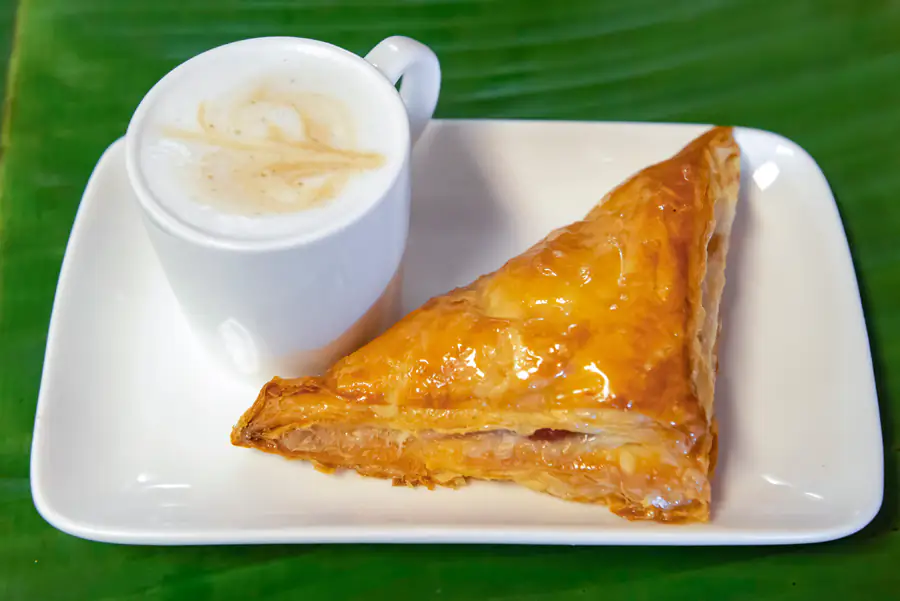
There are restaurants you plan an evening around, and then there are bakeries that quietly become part of your week. A good Cuban bakery falls into the second category. You stop in for coffee and leave with pastries for later. You tell yourself you are only grabbing bread, then spot a tray of still-warm pastelitos and add two, maybe four. By the third visit, the staff starts to recognize your order, and you start making excuses to drive across town.
That is why a Cuban bakery in Aurora CO deserves more than a passing mention. It is not just a place to buy something sweet. It is a place where daily baking, strong coffee, savory snacks, and cultural memory all meet in one compact, fragrant room. If you care about food that feels rooted rather than manufactured, this is the kind of stop that belongs on your regular rotation.
Aurora is already one of Colorado’s more interesting places to eat. The city rewards people who are willing to look beyond polished dining districts and national chains. Its best food experiences often sit in modest storefronts, in strip centers, or on side streets where the decor is secondary to the work happening in the kitchen. A Cuban bakery fits that pattern perfectly. It can be unassuming from the outside and deeply satisfying once you walk through the door.
What makes a Cuban bakery different
People sometimes hear “bakery” and think mainly of cakes, cookies, and artisan loaves. A Cuban bakery usually offers a broader experience. Sweet pastries matter, of course, but they share space with savory items, sandwiches, coffee drinks, and breads that serve everyday meals. The rhythm feels different from a standard American bakery. It is less about display, more about habit. Locals may come in before work for café con leche and a pastry, at lunch for a pressed sandwich, then again in the afternoon to pick up bread for home.
That range is part of the appeal. One visit can cover breakfast, a midday snack, and dessert for the evening. You might find flaky pastries filled with guava, cream cheese, coconut, or custard. You might also see ham croquettes, stuffed potato balls, empanadas, or sandwiches layered on soft Cuban bread. The menu reflects a practical food tradition, one built around flavor, value, and repeat visits, not one-off indulgence.
Texture plays a big role too. A proper Cuban pastry should not be merely sweet. It should have contrast. You want shattering layers on the outside, a soft or creamy center, and fillings with enough character to hold your attention. Guava and cheese is the classic example. Done well, the filling lands in that perfect space between rich and bright. The fruit gives tartness and perfume, while the cheese brings salt and body. It is familiar after one bite and memorable after two.
The bread itself is often a clue to how serious the bakery is. Bread tells the truth. Fancy decoration can hide a mediocre pastry for a while, but bread exposes shortcuts immediately. If the loaf lacks proper crust, structure, or aroma, the rest of the case usually follows suit. In a strong Cuban bakery, the bread feels like a central part of the operation rather than a side item. Even if you came for sweets, take a look at the loaves. They reveal a lot about the kitchen behind the counter.
Why Aurora is a good home for this kind of place
Aurora has the right dining culture for independent bakeries to matter. It is a city where people actually chase specific dishes. They will cross neighborhoods for pho, tacos, Ethiopian platters, Korean barbecue, or a pastry they cannot get anywhere else. That creates room for a Cuban bakery Aurora CO locals can rely on, not just as a novelty, but as a staple.
There is also something practical about a bakery in a city like Aurora. Life here tends to be mobile. People commute, shuttle kids between activities, work long shifts, and often need food that travels well and satisfies quickly. Cuban bakery fare does that better than most. A pastry and coffee can carry you through the morning. A sandwich and croqueta can stand in for lunch. A box of mixed pastries solves dessert when guests come by with little warning.
Climate matters more than people realize, too. Cold mornings and dry air make hot coffee and buttery pastry feel especially welcome. Colorado has no shortage of coffee shops, but coffee culture and bakery culture are not always the same thing. In a Cuban bakery, the coffee is not an accessory. It is part of the identity. The sweetness, intensity, and size of the drink are calibrated for real life, for a quick pause in the day, not a lingering laptop session.
That difference shows up in the room itself. The atmosphere tends to be active rather than staged. Orders get called, espresso machines hiss, trays turn over, regulars come and go. It feels lived in. For many diners, that energy is the point. You are not buying into a concept. You are participating in someone’s everyday food tradition.
The first bite usually tells you everything
Every cuisine has items that quickly separate the excellent from the forgettable. In a Cuban bakery, the fastest test is often the pastry case. If you order a guava pastry, for example, you can tell within seconds whether the place values balance. Too much sugar and the filling goes flat. Too little acidity and the fruit tastes generic. If the dough is greasy rather than crisp, the bakery may be relying on appearance rather than technique.
The same is true with croquetas. They look simple, and that is what makes them useful as a measure of quality. A good croqueta has a creamy interior, a seasoned filling, and a shell that holds its shape without turning heavy. It should taste comforting and deliberate, not merely fried. The item may be small, but it carries a lot of information about the kitchen’s standards.
Coffee is another fast indicator. In many Cuban bakery settings, coffee comes strong, sweet, and purposeful. The cup is not large, but it does not need to be. When it is done right, the flavor is concentrated and clean. Milk drinks should still taste like coffee. Sweetness should feel intentional rather than cloying. If the bakery understands coffee, it usually understands pacing, because coffee service shapes the whole front-of-house rhythm.
None of this means every item must be perfect for the bakery to be worth your time. Good neighborhood bakeries are not laboratories. They have rushes, slow periods, and products that sell faster than others. One tray may have sat longer than ideal. Another may have just come out. That is part of the experience. The key question is whether the place feels alive, whether the high points are high enough to pull you back. In a worthwhile Cuban bakery, the answer is usually yes.
What to order if it is your first visit
First-time visitors sometimes overcomplicate the experience. They study the case too long, ask broad questions, then leave with something safe. A better approach is to treat the bakery the way regulars do. Get a mix. Choose one sweet item, one savory item, and one coffee. That gives you a real sense of what the place does best.
A classic starting point is a guava and cheese pastry with café con leche. It is hard to beat because the pairing covers the bakery’s core strengths. The pastry gives you fruit, dairy, butter, and flaky dough. The coffee cuts through the richness and anchors the whole thing. Add a croqueta or an empanada if you want something savory, and you have a complete picture of the menu in one visit.
If you arrive closer to lunch, a Cuban sandwich or a pressed variation on fresh bread is a smart move. This is where the bakery can show how its bread https://zaneqlwp396.clearminster.com/posts/morning-favorites-to-try-at-a-cuban-bakery-in-aurora-co performs under pressure, literally and figuratively. The ideal sandwich is crisp on the outside, warm through the center, and balanced so that mustard, pork, ham, pickles, and cheese each have a role. If the bread is too hard, the sandwich fights back. If the bread is too soft, the fillings overwhelm it. Good bakeries get this balance right.
For people with a stronger sweet tooth, pastries filled with coconut, custard, or cream can be a pleasure, but it is still worth ordering something fruit-based alongside them. Fruit fillings often bring the brightness that keeps the experience from feeling heavy. Even in a dessert case, contrast matters.
Freshness is not a luxury here, it is the whole game
Bakery food lives and dies by timing. This is especially true in formats built around laminated dough, fried snacks, and bread that is meant to be eaten the same day. At a Cuban bakery, freshness is not a marketing phrase. It is the thing you are paying for.
That means your experience can change based on when you go. Morning often gives you the best shot at the widest selection and peak pastry texture. Midday can be ideal for sandwiches and savory turnover, particularly if lunch traffic keeps items moving. Late afternoon may mean slim pickings on the most popular products, but it can also bring a fresh batch of bread for the dinner crowd. Smart regulars learn a bakery’s rhythm and visit accordingly.
This is also why a bakery with strong turnover matters. A busy shop tends to have better product simply because more product is moving. Trays empty, refills come out, and you are less likely to get something that has been waiting too long. Volume, when matched with care, is your friend.
There is a practical lesson in that for newcomers. If you see an item that looks especially good, order it. Do not assume it will still be there after you finish your coffee. The best bakery foods are often fleeting, and that sense of impermanence is part of their charm.
The cultural value runs deeper than the menu
One reason a Cuban bakery Aurora CO diners talk about tends to build loyalty is that it offers more than flavor. It offers context. Food carries memory, migration, and adaptation in ways that menus rarely explain outright. You can taste that in a neighborhood bakery. The recipes may shift slightly to fit ingredient availability, local preferences, or the practical realities of operating in Colorado, but the spirit remains visible.
That matters for Cuban families looking for something recognizable, and it matters for everyone else too. A city’s food scene becomes richer when it includes places that cook from within a tradition rather than borrowing its surface details. A real bakery culture teaches you how people eat day to day, not just what gets plated for special occasions.
There is also generosity built into bakery culture. The format encourages sharing. People bring boxes to offices, family gatherings, and weekend visits. One person buys six pastries, and suddenly everyone at the table has an opinion. This one likes the guava best. That one insists the coconut is underrated. Someone tears into the bread before dinner is ready. The food invites conversation because it is familiar enough to be easy and specific enough to be interesting.
For a growing, diverse city like Aurora, these places do more than feed people. They help shape local identity. They become landmarks of routine. You do not just say you are getting coffee. You say you are stopping by the bakery.
Not every great food experience has to be expensive
A serious meal out can cost a fair amount in the Denver metro area now. That is one reason bakeries have become even more valuable. They offer satisfaction without requiring an event-sized budget. You can have a meaningful food experience for the price of coffee and a couple of pastries. If you are feeding a family, a mix of savory snacks and sweets still often comes in below what many casual restaurants charge for a single meal.
Value, however, is not the same as cheapness. The best bakeries do not feel inexpensive because corners are cut. They feel like a bargain because so much labor is packed into accessible items. Dough has to be made, rested, shaped, baked. Fillings need attention. Sandwich components need prep. Coffee service requires consistency. When all that work reaches the customer at a reasonable price, it creates the kind of value people remember.
This makes a Cuban bakery especially useful for the in-between moments of life. It works when you need breakfast that feels better than a drive-thru sandwich. It works when you need to bring something to a gathering but do not have time to cook. It works when you want one good thing in the middle of a hard week. Not every food stop can carry that many roles.
A few signs you have found the right place
Experienced diners often notice the same quiet indicators when a bakery is worth returning to. The case is stocked, but not overbuilt. Staff move with confidence. Regulars order quickly because they already trust the menu. Coffee leaves the machine steadily. Bread disappears from shelves and reappears in waves. Nothing feels frozen in time for display.
You can also learn a lot by watching what other customers buy. If people are leaving with boxes, loaves, and savory items in addition to sweets, that is a good sign. It suggests the bakery is serving a real community need rather than relying on one flashy product. Depth matters.
The strongest places also tend to age well over repeat visits. The first trip may hook you with a pastry. The second reveals the coffee. The third makes you notice the bread. Over time, what seemed like a simple stop starts to look more complete. That is usually the mark of a bakery built on substance.
Why this kind of bakery earns a place on your personal shortlist
A lot of food recommendations sound interchangeable. Try this spot. Check out that place. Add this to your list. A Cuban bakery asks for a slightly different kind of attention because it is not best understood as a one-time destination. Its real value shows up when it becomes useful to you.
Maybe it becomes your Saturday morning ritual. Maybe you pick up pastries before driving to see friends. Maybe it becomes the place you rely on when you want food with character but do not want the weight of a full restaurant outing. However it fits into your routine, it tends to stay there, because the combination is hard to replace. Good pastry, good coffee, savory depth, fresh bread, approachable prices, and a strong sense of identity do not often show up under one roof.
That is why a Cuban bakery in Aurora CO belongs on your food list. Not as a token nod to variety, and not because it is trendy, but because it delivers something increasingly rare in modern dining. It feels specific. It feels useful. It feels human. You walk in for one item, you leave with three, and somehow that always feels like the right decision.
Cuba Bakery & Café
15028 E Mississippi Ave, Aurora, CO 80012
+1 303-752-2822
FAQ About Cuban bakery Aurora CO
What are Cuban pastries called?
Many small Cuban pastries are called pastelitos. They can have sweet or savory fillings, such as guava, cheese, guava and cheese, or seasoned meat. Cuba Bakery & Café lists guava, cheese, guava-and-cheese and beef pastries on its menu. Ask the bakery about current availability and ingredients when ordering.
What are traditional Cuban pastries?
Common Cuban bakery choices include flaky pastelitos filled with guava, cheese or meat. Cuban bakeries may also offer empanadas, breads and desserts alongside coffee. Cuba Bakery & Café lists pastelitos, several empanada fillings, pan Cubano and desserts such as tres leches and bread pudding. Selection can vary, so confirm the day's choices with the bakery.
What makes Cuban bread different?
Cuban bread is known for its light interior and a thin crust that becomes crisp when toasted or pressed. Traditional recipes often use lard, although ingredients vary by baker. It is commonly served as buttered toast or used for Cuban sandwiches. Cuba Bakery & Café lists pan Cubano and tostada on its menu; ask staff about the ingredients in their bread if you have dietary restrictions.