Best Protein Options for Drunken Noodles
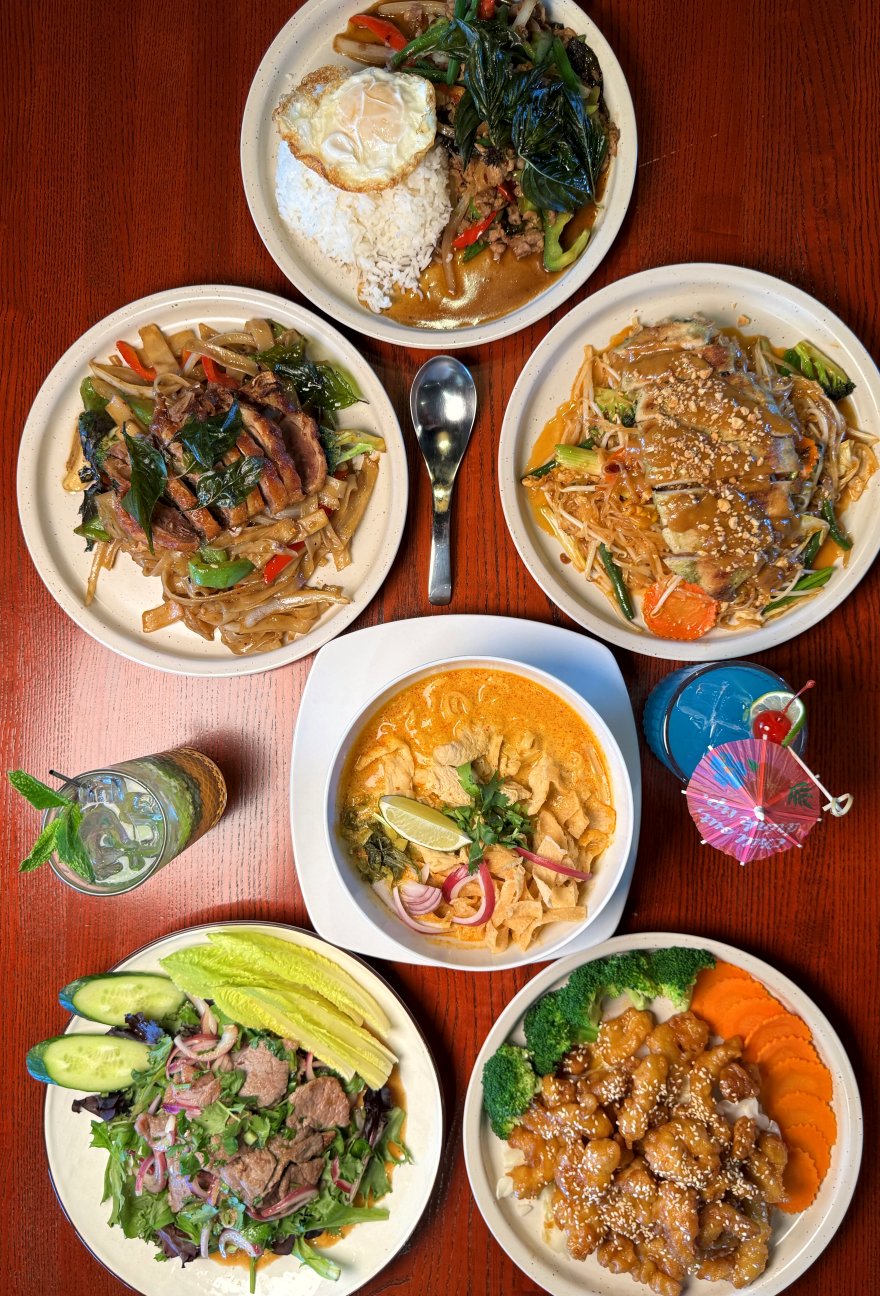

Drunken Noodles are one of those dishes that can swing from merely satisfying to deeply memorable based on a handful of choices, and protein is near the top of that list. The noodles themselves carry a lot of personality, broad rice noodles with chew, heat from fresh chilies, sweet depth from sauces, basil that lifts the whole pan, and just enough char from high heat to make every bite feel alive. Protein has to earn its place in that environment. It cannot be an afterthought.
People often ask which protein is "best" for Drunken Noodles as if there is one universal answer. In practice, the best choice depends on what you want the dish to do. Some proteins soak up sauce and disappear into the noodles in the best possible way. Others add contrast, richness, or a firmer bite. Some are forgiving on a busy weeknight. Others shine only if you can control heat and timing with precision. If you have ever had a plate where the noodles were excellent but the chicken was dry, or where the shrimp turned rubbery before the basil even hit the pan, you already know that protein can make or break the dish.
The good news is that Drunken Noodles are flexible. The sauce profile is bold enough to support chicken, beef, pork, shrimp, tofu, and several less common options. The challenge is matching the ingredient to the pan, the sauce, and the pace of cooking.
What protein needs to do in Drunken Noodles
A useful way to think about protein here is not just flavor, but function. Drunken Noodles cook fast. In a restaurant wok, the whole dish may come together in just a couple of minutes once the mise en place is ready. Even in a home skillet or wok, you are still working in a quick, high-heat format. That means your protein has to handle intense heat without drying out, and it has to pair well with a sauce that is salty, sweet, savory, and spicy at once.
Good protein for Drunken Noodles should do three things well. First, it should stay juicy or tender through a fast sear. Second, it should either absorb sauce or offer a clean contrast to the noodles. Third, it should fit the scale of the dish. Thick chunks of meat can feel clumsy against wide noodles. Thin slices, small shrimp, or crisp-edged tofu tend to integrate better.
That is why the same cut that works in a long braise may be disappointing here. It is also why preparation matters almost as much as the protein itself. Slice against the grain, cut to a consistent size, marinate lightly if needed, and never overcrowd the pan. Drunken Noodles reward attention to detail.
Chicken, the safest and most versatile choice
If I were cooking for a mixed group and wanted the broadest chance of success, I would choose chicken. It is familiar, affordable, easy to season, and adaptable to both restaurant-style and home-style Drunken Noodles. But not all chicken performs equally.
Chicken thigh is usually the strongest option. It stays moist under high heat, develops attractive browning, and has enough fat to stand up to spicy sauce and basil. Thinly sliced boneless thigh, especially if lightly marinated with soy sauce or oyster sauce for 10 to 15 minutes, gives you tender bites that feel integrated rather than separate.
Chicken breast can work, but it asks more of the cook. Slice it too thick and it dries out before the noodles are properly tossed. Cook it too long and it turns chalky, which is especially obvious against glossy rice noodles. If breast is what you have, cutting it thin and giving it a light coating of cornstarch can help protect the surface and preserve some juiciness.
The reason chicken remains so popular in Drunken Noodles is balance. It takes on the sauce without overpowering the dish. Fresh chilies and holy basil or Thai basil still lead. The protein supports rather than competes. For many cooks, that is exactly what you want.
Beef, for a more savory and restaurant-style finish
Beef gives Drunken Noodles a darker, meatier profile. When done well, it feels closer to the kind of plate many people remember from Thai restaurants, especially the versions with glossy sauce clinging to the noodles and a little smoke from the pan. Beef also pairs exceptionally well with black soy sauce or a sweeter soy-forward balance, because the richness can handle those deeper flavors.
The catch is cut selection. Tender cuts that cook fast are best. Flank steak, sirloin, skirt steak, and even ribeye trimmed and sliced thin can all work. The goal is not luxury so much as responsiveness. You want meat that sears in seconds, stays tender when sliced across the grain, and leaves behind browned bits that enrich the sauce.
Beef changes the center of gravity of the dish. Drunken Noodles with beef feel fuller, heavier, and more intensely savory. That can be excellent on a cool evening or if you want the noodles to read more like a complete one-bowl meal. It can be less ideal if you prefer a brighter, herb-forward plate.
A common mistake with beef is using pieces that are too large. The noodles are broad but delicate, and oversized strips of meat can dominate every forkful. Thin slices, around a quarter inch or a bit less, are usually right. Sear them fast, remove them, then return them at the end so they do not overcook while the noodles absorb sauce.
Shrimp, when you want contrast and speed
Shrimp bring a different kind of energy to Drunken Noodles. They are naturally sweet, cook very quickly, and add a clean, almost springy bite that contrasts nicely with soft rice noodles. In a dish where sauce and chili can veer heavy, shrimp can keep things feeling agile.
I like shrimp best in warmer weather or when the basil is especially fragrant. Their sweetness amplifies the aromatic side of the dish rather than the meaty one. That said, shrimp are less forgiving than chicken thighs or tofu. The gap between perfectly cooked and overcooked is small. In a hot wok, medium shrimp may be done in a minute or two. If they stay in the pan while you fuss with noodles, they toughen fast.
Size matters here. Jumbo shrimp can be awkward in noodle dishes unless you cut them, which often defeats the point. Medium or large shrimp tend to work best. They distribute better through the noodles and allow more balanced bites.
Shrimp also release moisture, which can dilute sauce if the pan is not hot enough. Pat them dry, season lightly, and cook in a single layer before building the rest of the dish. If the skillet cools too much, you get steaming instead of searing, and the whole plate loses that prized edge.
Pork, underrated and deeply satisfying
Pork deserves more attention in Drunken Noodles than it usually gets. It has enough richness to make the dish feel substantial, but it can still play well with basil, garlic, and chilies. In many home kitchens, pork is also easier on the budget than beef, especially if you are cooking for several people.
Pork shoulder sliced thin can be excellent because the fat keeps it tender, though it benefits from careful trimming so the texture does not become chewy. Pork loin is leaner and cleaner tasting, but much like chicken breast, it can dry out if handled roughly. Ground pork is another smart option, especially for weeknight cooking. It browns quickly, clings to the noodles, and carries sauce into every bite.
There is a practical advantage to pork that experienced cooks appreciate. It bridges the gap between chicken and beef. You get more richness than chicken, but usually with less cost and less risk than beef. Ground pork in particular creates a version of Drunken Noodles that feels hearty and informal, almost built for a fast dinner after a long day.
The only caveat is seasoning. Pork benefits from assertive aromatics. Garlic, chili, fish sauce, and basil need to be bright enough to keep the dish from feeling flat. When those elements are in balance, pork can be one of the most satisfying choices on the table.
Tofu, not just the vegetarian fallback
Tofu is often treated as the compromise protein, the thing you choose when someone at https://zanderhydz800.bearsfanteamshop.com/the-best-side-dishes-to-pair-with-drunken-noodles the table does not eat meat. That undersells it badly. Good tofu Drunken Noodles can be exceptional, but the tofu has to be handled with intention.
Firm or extra-firm tofu are the better choices. Soft tofu is too fragile for tossing with broad noodles and sticky sauce. Pressing the tofu helps, but not because it is trendy, because removing excess water allows the surface to brown and keeps the pan from flooding. Browned tofu with crisp corners and a tender center brings something meat cannot: a porous texture that drinks in sauce.
The best tofu Drunken Noodles are not trying to imitate chicken or beef. They lean into contrast. The noodles stay slick and chewy, while the tofu offers little pockets of concentrated sauce and basil. Add enough chili and basil, and the dish feels complete rather than compromised.
For cooks who are disappointed by tofu versions, the issue is usually technique. Pale tofu tossed in at the end will always seem bland. Sear it properly, season it early, and give it time to develop color. Once that happens, tofu moves from acceptable to genuinely craveable.
A quick ranking, if you need a place to start
If you want a simple starting point, this is how I would rank the most practical protein options for Drunken Noodles in a typical home kitchen:
- Chicken thigh, the best all-around balance of flavor, tenderness, and ease.
- Beef, the strongest choice for deep savory flavor and a restaurant-style finish.
- Shrimp, excellent for speed and freshness, but less forgiving.
- Tofu, outstanding when properly browned and especially good with bold basil and chili.
- Pork, versatile and underrated, particularly in thin slices or as ground pork.
That order can shift depending on the pan, the cook, and the mood. A strong home wok burner makes beef and shrimp easier to nail. A busy Tuesday might push ground pork or tofu to the top.
Matching protein to your preferred style of Drunken Noodles
Not every plate of Drunken Noodles aims at the same result. Some cooks want the classic spicy-sweet restaurant effect, with dark sauce and charred edges. Others want a fresher, basil-driven bowl with less sugar and more heat from fresh chilies. Protein should follow that intention.
For a darker, richer version, beef and pork tend to shine. They echo the caramelized notes in the sauce and make the dish feel robust. If your sauce includes both oyster sauce and dark soy, these proteins usually settle in naturally.
For a brighter, slightly lighter plate, shrimp and tofu do especially well. They create more contrast, which lets basil, garlic, and chili stay vivid. Chicken works in both directions, which is part of its appeal.
Texture preference matters too. If you want every bite to feel integrated, ground pork or small pieces of chicken are smart. If you prefer more defined contrast, larger shrimp or crisp-edged tofu offer that. There is no rule that says the protein has to disappear into the noodles. Sometimes the best version lets each component keep its own identity.
The preparation details that matter more than people expect
Protein choice gets most of the attention, but preparation is where quality really shows up. I have seen expensive steak produce mediocre noodles and humble chicken thighs turn into a standout dish. The difference usually comes down to a few habits.
A short marinade can help, but it should be restrained. Drunken Noodles already have a flavorful sauce, so the protein does not need a heavy separate seasoning treatment. A bit of soy sauce, fish sauce, oyster sauce, or white pepper is often enough. Too much marinade can burn or make the pan wet.
Cut size is critical. Think in terms of bites that can mingle with noodles rather than sit on top of them. Thin slices, small shrimp, or tofu rectangles about an inch wide usually work better than thick, restaurant-platter chunks.
Pan management may be the biggest factor of all. Cook the protein first if it needs searing, then remove it. Build aromatics, sauce, and noodles, then return the protein at the end. This simple move protects tenderness and keeps flavors distinct. The exception is ground pork, which can stay in the pan more easily because it finishes quickly and blends into the sauce.
Proteins that can work, but need extra care
Some proteins are possible in Drunken Noodles without being ideal. Duck, for example, can be luxurious, but it is rich enough to crowd the dish unless the sauce is carefully balanced. Thinly sliced roasted duck can be beautiful in small amounts, especially if you want a celebratory version, but it is not my first recommendation for everyday cooking.
Squid can be excellent for seafood lovers, though timing becomes even more delicate than with shrimp. Undercook it and it can feel slippery in an unpleasant way. Overcook it and it turns tough. Thin rings or scored pieces work best, but they demand confidence at the stove.
Plant-based meat substitutes vary widely. Some brown nicely and hold sauce well, while others become spongy or overly salty. They can work, but this is one category where brand and formulation matter so much that there is no universal guidance beyond testing in small batches.
If you are cooking for a crowd or for leftovers
The "best" protein changes when scale enters the picture. For a dinner party or family-style meal, chicken thigh and ground pork are hard to beat. They are easier to prep in quantity, more forgiving if timing slips, and still taste good if the noodles sit for a few minutes before serving.
Shrimp are least suited to lingering. They really want to be eaten immediately. Beef can hold reasonably well if not overcooked, but reheating can push it past its sweet spot. Tofu holds better than many people expect, especially if well browned, though the crisp exterior softens over time.
Leftovers create their own logic. Chicken, pork, and tofu usually reheat most gracefully. Shrimp reheated noodles often lose their charm. Beef can be good the next day, but the texture is less consistent. If I know the dish is heading into lunch containers, I usually choose chicken thigh or tofu without hesitation.
The five best pairings between protein and sauce emphasis
When cooks want to refine the dish beyond basic categories, I suggest thinking in pairings:
- Chicken thigh with a balanced sauce, ideal when you want basil, chili, and noodle texture to stay center stage.
- Beef with a slightly darker soy-forward sauce, excellent for a richer, more savory plate.
- Shrimp with extra fresh chili and basil, best when you want brightness and contrast.
- Tofu with a touch more oyster-style savoriness or mushroom-based umami, useful for building depth without meat.
- Ground pork with assertive garlic and fish sauce, great for a hearty, weeknight-friendly version.
These combinations are not rigid formulas. They are starting points that reflect how protein and sauce amplify each other.
So what is the best protein overall?
For most cooks, chicken thigh is the best overall protein for Drunken Noodles. It is tender, adaptable, relatively affordable, and highly forgiving. It performs well on powerful restaurant burners and ordinary home stoves alike. It takes on sauce without vanishing, and it leaves room for basil, chili, and noodles to do their jobs.
That said, the most delicious choice for many experienced eaters may actually be beef, especially if they love a darker, richer, more savory noodle dish. Shrimp is unmatched for speed and freshness when perfectly cooked. Tofu can be the most absorbing and texturally interesting. Pork may be the sleeper favorite for people who want a hearty bowl with real depth.
The smartest answer is not to chase a universal winner. It is to decide what kind of Drunken Noodles you want tonight. If you want comfort and reliability, reach for chicken thigh. If you want smoky, savory intensity, choose beef. If you want lively contrast, cook shrimp. If you want sauce-soaked edges and a satisfying meatless plate, go with tofu. If you want a practical, flavorful middle ground, pork will serve you well.
That is the beauty of Drunken Noodles. The dish is bold enough to flex, but specific enough to reward judgment. Pick the protein that fits your pan, your appetite, and your style of cooking, and the noodles will meet you there.
Nakhon Luang Thai Kitchen
Address: 805 Village Center Dr, Colorado Springs, CO 80919
Phone number: +17195315175
FAQ About Drunken Noodles
What makes it drunken noodles?
Drunken noodles, or Pad Kee Mao, get their name from the Thai word khi mao (meaning "drunkard"). They contain no alcohol. The name comes from the idea that the dish is a popular late-night meal to cure a hangover or a great food to eat with a cold beer.
What is the difference between pad see ew and drunken noodles?
While both Pad See Ew and Drunken Noodles use the same wide rice noodles, Pad See Ew is a mild, sweet-savory dish made with dark soy sauce and Chinese broccoli, whereas Drunken Noodles (Pad Kee Mao) are fiery, garlicky, and herbaceous with fresh chilies and Thai basil.
What are traditional drunken noodles?
Traditional drunken noodles, known as Pad Kee Mao in Thai, are a fiery, savory street food stir-fry made with wide flat rice noodles, fresh garlic, lots of hot chilies, meat or tofu, and fragrant holy basil. Despite the name, they contain no alcohol; the dish is traditionally eaten late at night or as a hangover cure because the intense spice helps clear the head.